

We often think of insurance as something that pays for the “after” the funeral or the doctor’s bill. But what happens to your life the moment you receive a diagnosis for Cancer, Heart Attack, or Stroke?
In the medical world, a diagnosis of Cancer, Heart Attack, or Stroke is life-changing. But in the financial world, it can be life-shattering. Modern medicine is incredible; more people are surviving the “Big Three” than ever before. However, surviving a health crisis often leads to a wealth crisis.
The medical bills are only half the battle. The real challenge is the mortgage, the groceries, and the time off work needed for recovery. This is where Critical Illness insurance comes in; it’s the only insurance that pays you a massive lump sum of cash precisely when you need it most.
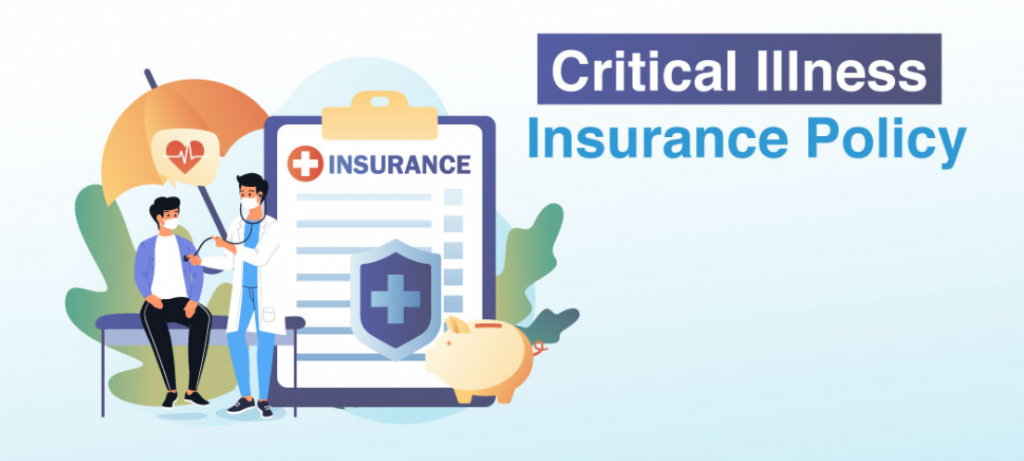
Critical Illness Insurance is designed to solve one specific problem: Providing immediate, tax-free cash to a person at any age the moment they are diagnosed with a covered illness for the first time.
1. How It Works: The Lump Sum Advantage
Unlike health insurance, which pays the hospital, Critical Illness insurance pays you.
- The Trigger: A confirmed diagnosis of a covered condition (usually Cancer, Heart Attack, or Stroke).
- The Payout: A single, one-time lump sum (e.g., $25,000, $50,000, or $100,000+).
- The Usage: You have total control. Use it for experimental treatment, travel expenses, home modifications, or simply to replace your income while you focus on getting better.
2. Standalone Plan vs. Life Insurance Rider
There are two primary ways to secure this protection. Which one is right for you?
A. The Standalone Plan
This is a dedicated policy solely for critical illnesses.
- Pros: Usually offers more comprehensive coverage for a wider variety of conditions. It doesn’t reduce your life insurance payout if you use it.
- Best For: Individuals who already have enough life insurance but want a dedicated “health safety net.”
B. The Life Insurance Rider (Accelerated Death Benefit)
This is an “add-on” to a new or existing Life Insurance policy.
- Pros: Often more affordable because it’s bundled. It allows you to “access” your life insurance money while you are still alive.
- Best For: Families looking for an all-in-one solution that covers both “if I die” and “if I get sick.”
3. Why Age Doesn’t Matter
A common myth is that critical illness is an “old person’s problem.” The reality? A stroke or cancer diagnosis can happen at 30, 45, or 60. The younger you are when you lock in a plan, the lower the premiums, and the more secure your financial future becomes.
The Bottom Line
When you are fighting for your health, the last thing you should be fighting is your bank account. Critical Illness insurance ensures that a medical diagnosis doesn’t become a financial disaster.
Is your current plan “Living Benefit” ready? Let’s look at your current coverage and see if adding a Critical Illness rider or standalone plan makes sense for your budget.